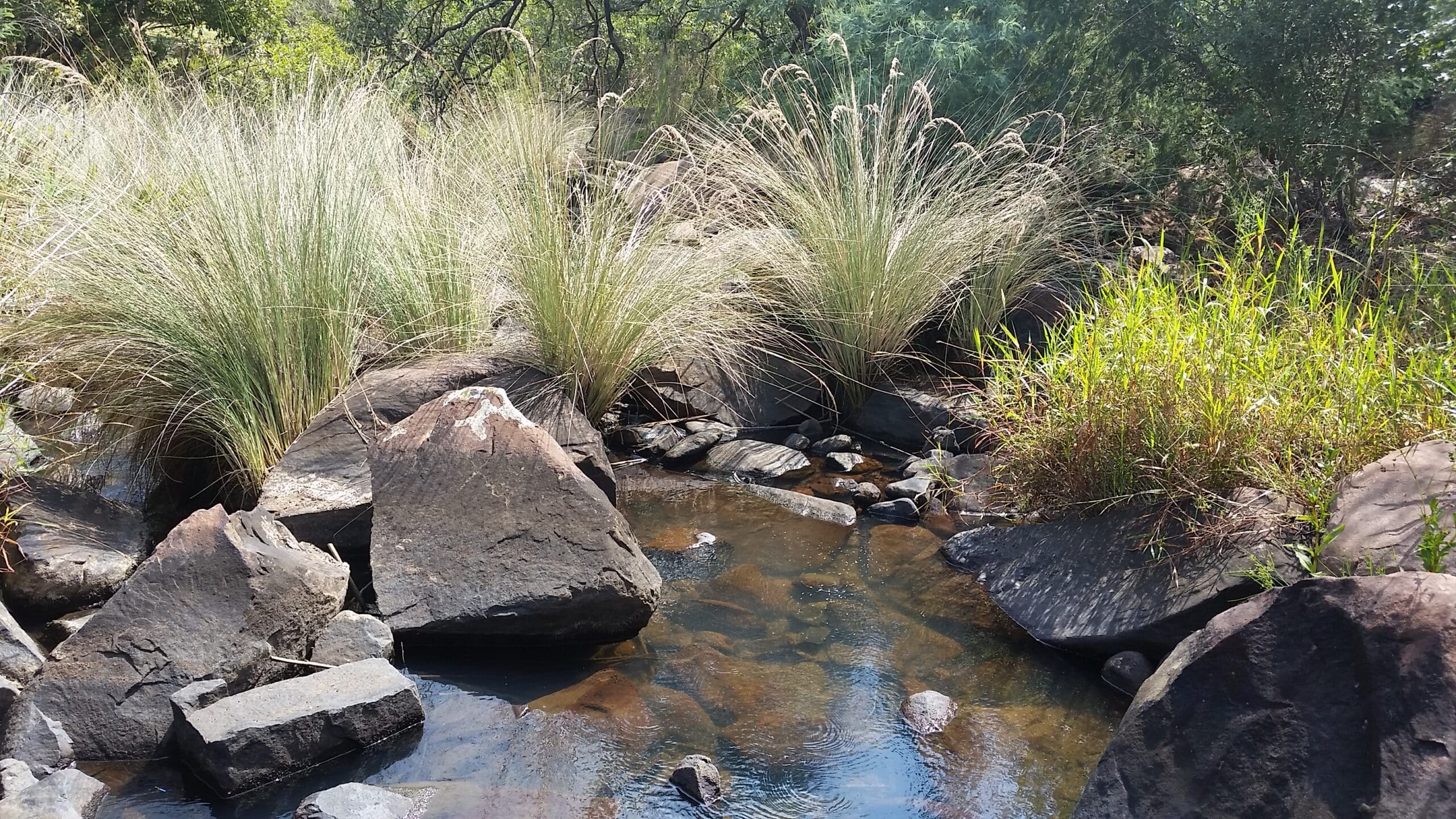
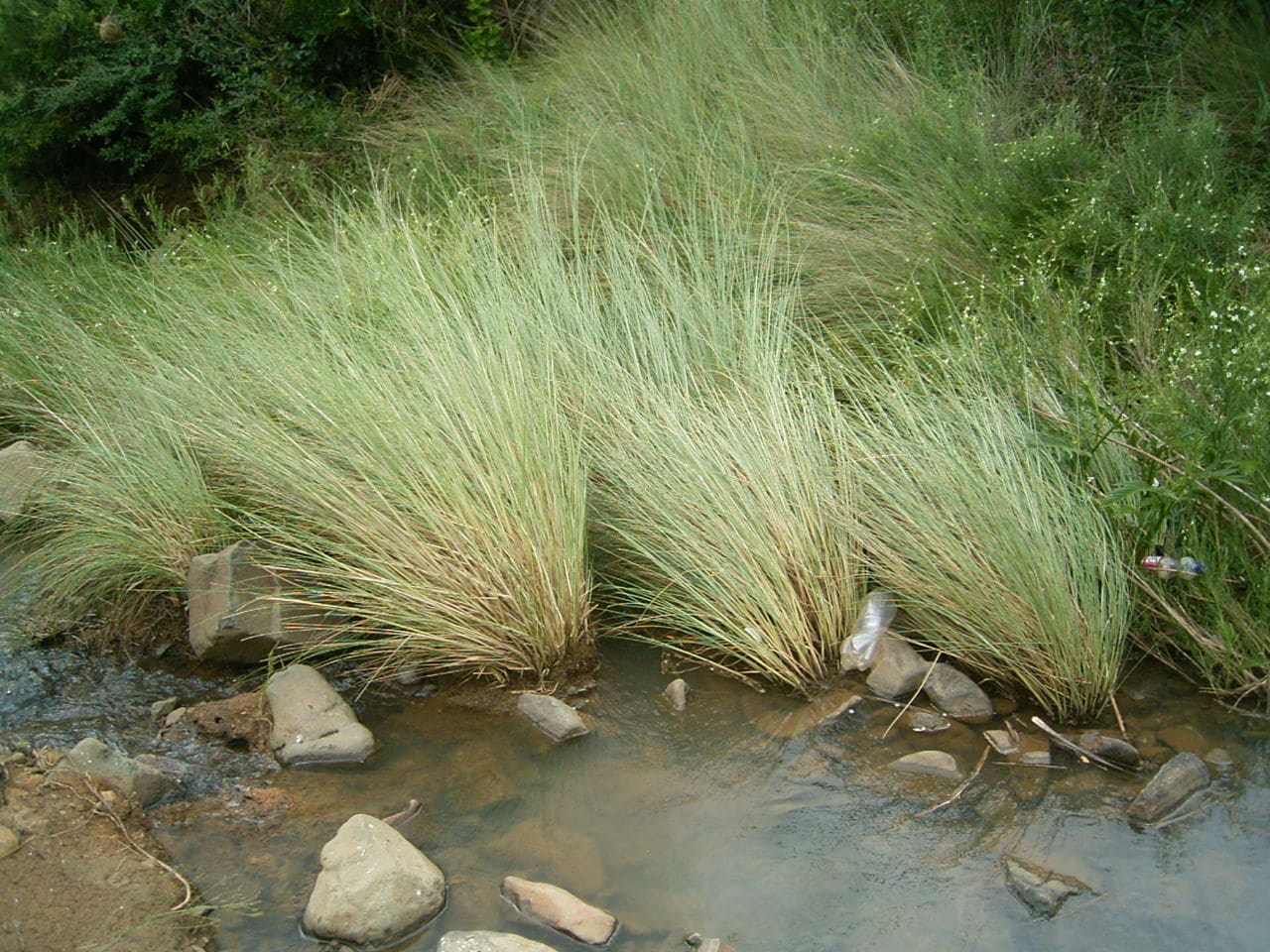
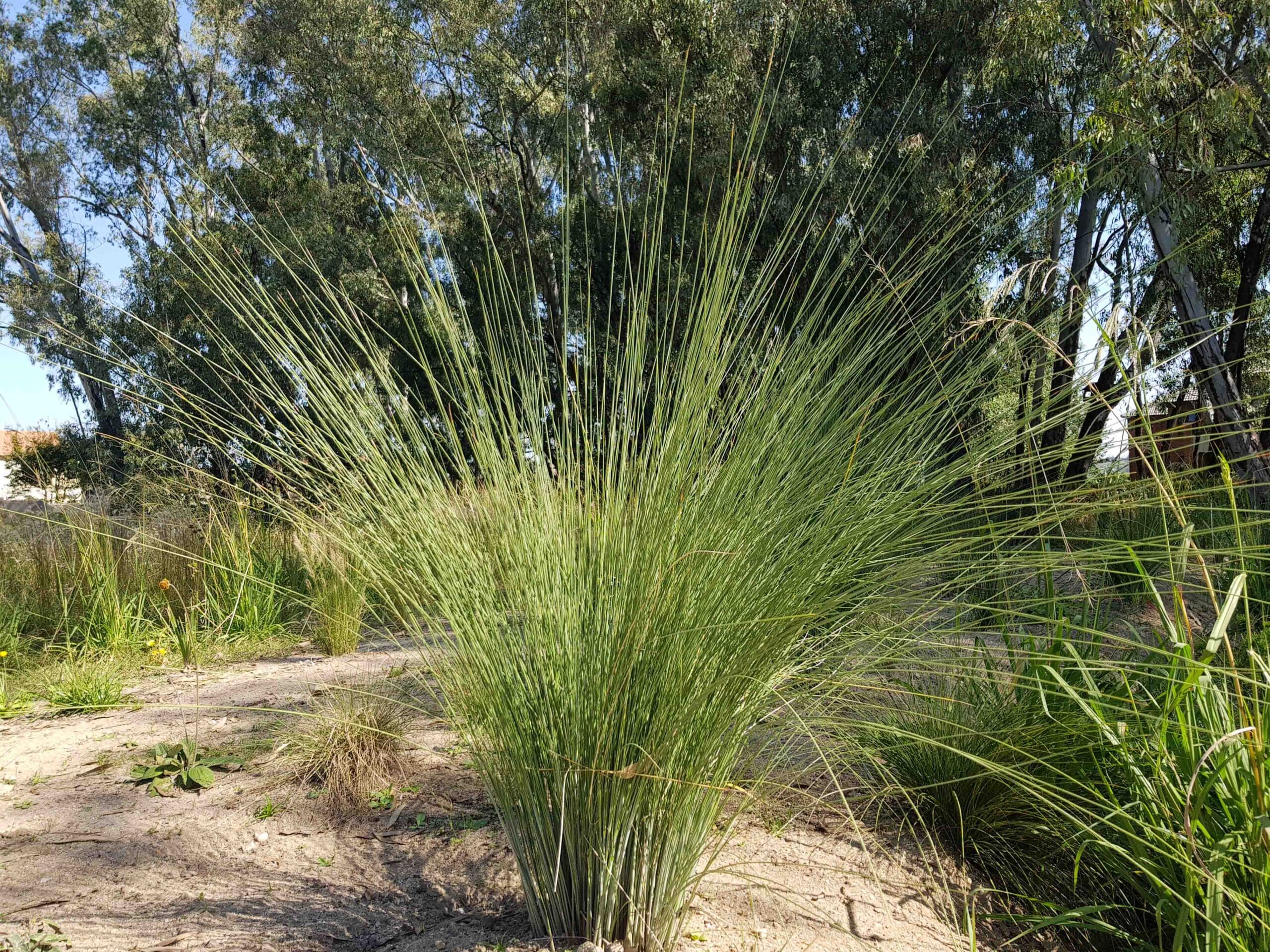
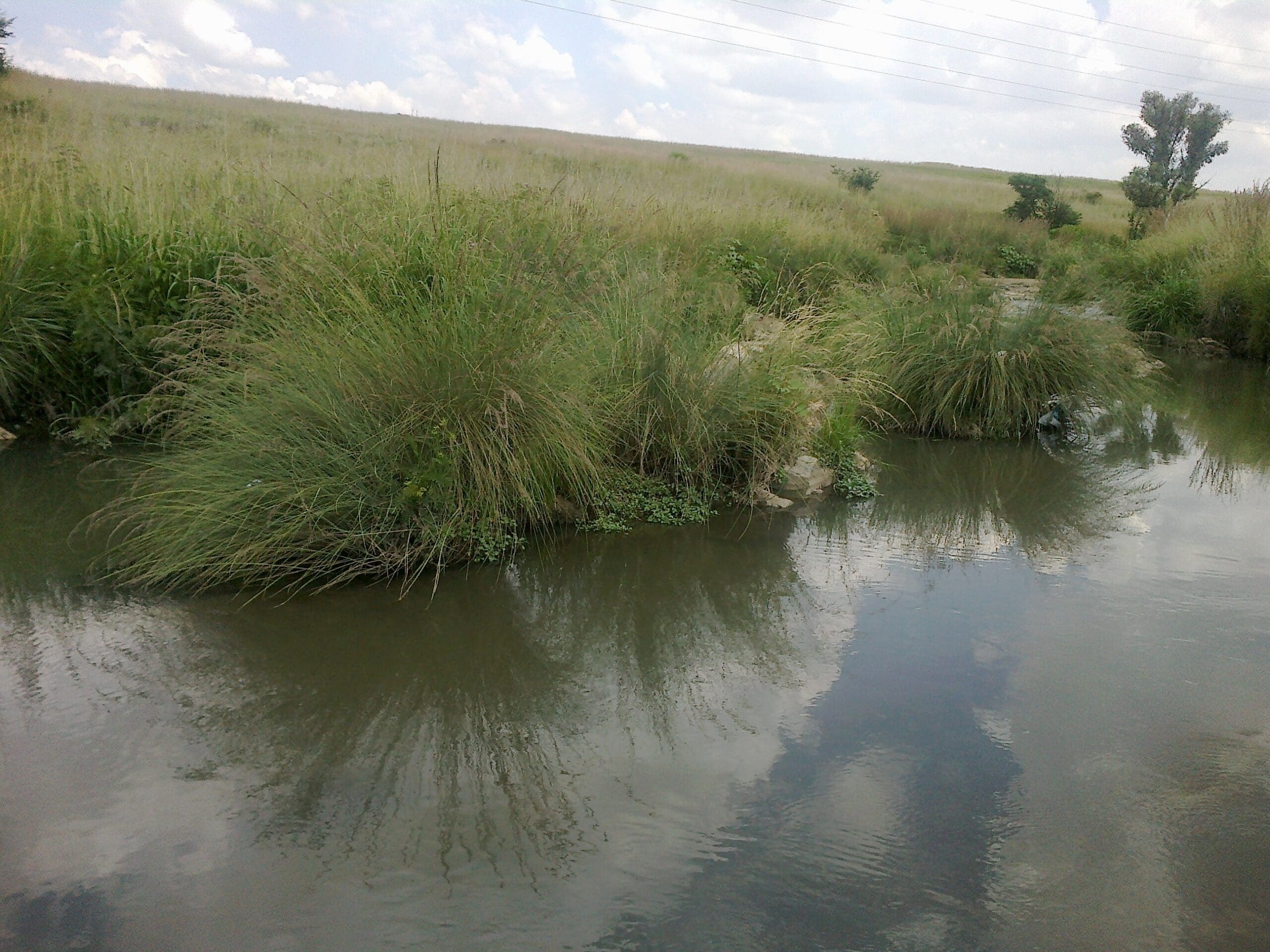
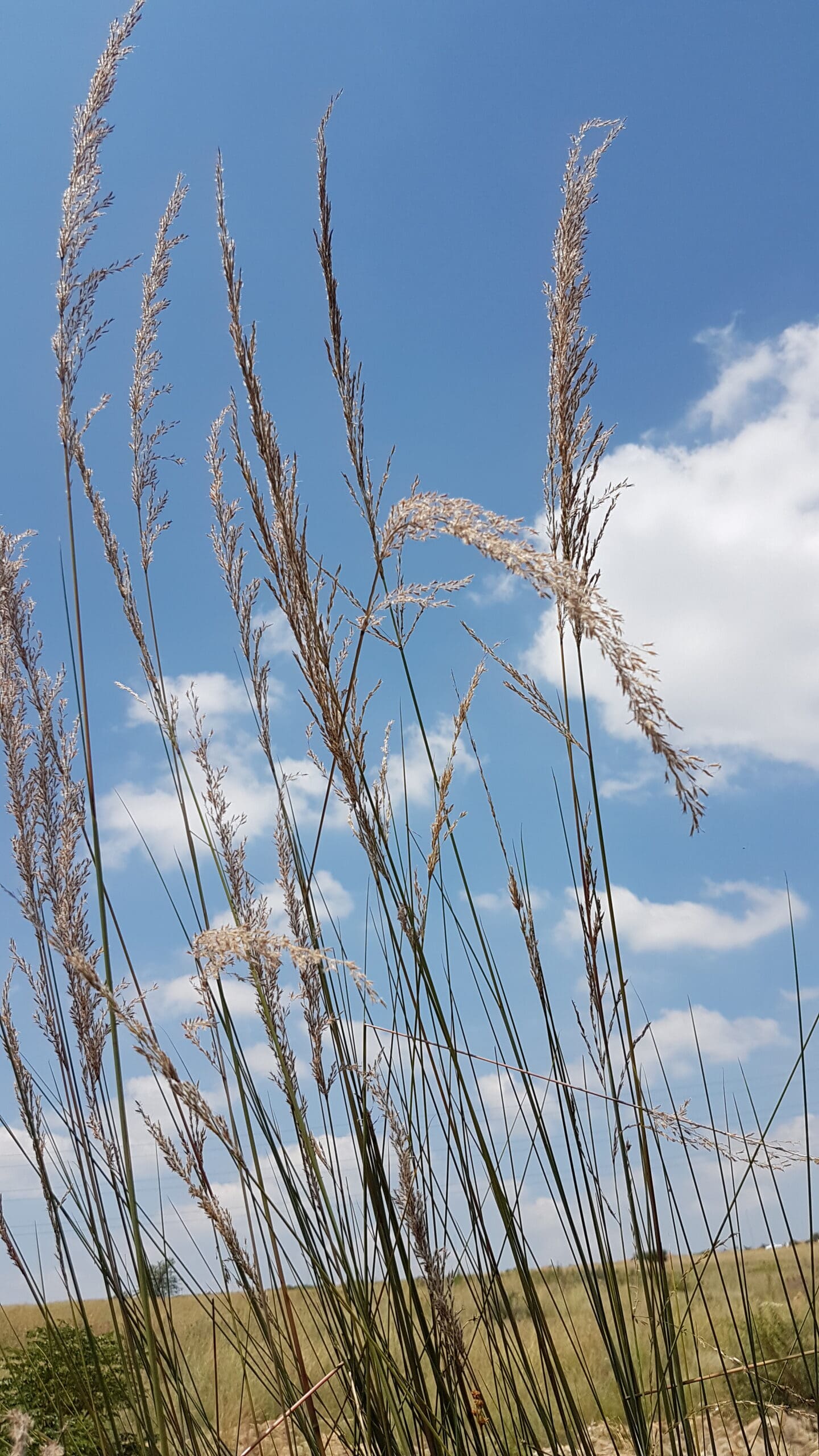
Miscanthus Junceus, commonly known as Broom Grass, is a tall, tufted perennial grass native to southern Africa. Renowned for its strong, fibrous stems, this grass is used both for traditional broom-making and as a sustainable solution for soil stabilisation, erosion control, and forage. Its ability to thrive in a variety of environments makes it an adaptable and valuable species for agricultural and ecological applications.
Key Features:
Erosion Control: Dense root systems stabilise soil, making it ideal for slopes, riverbanks, and degraded areas.
Versatile Uses: Sturdy stems are traditionally used for broom-making and other crafts.
Forage Value: Provides moderate-quality grazing for livestock, particularly during its early growth stages.
Drought Tolerance: Performs well in dry conditions, requiring minimal water to sustain growth.
Resilient Growth: Adapts to a range of soils, including sandy and nutrient-poor substrates.
Broom Grass combines ecological functionality with practical applications, offering a sustainable option for soil conservation, traditional crafts, and grazing in challenging environments. Its robust growth and versatility make it a valuable resource in both agricultural and cultural contexts.